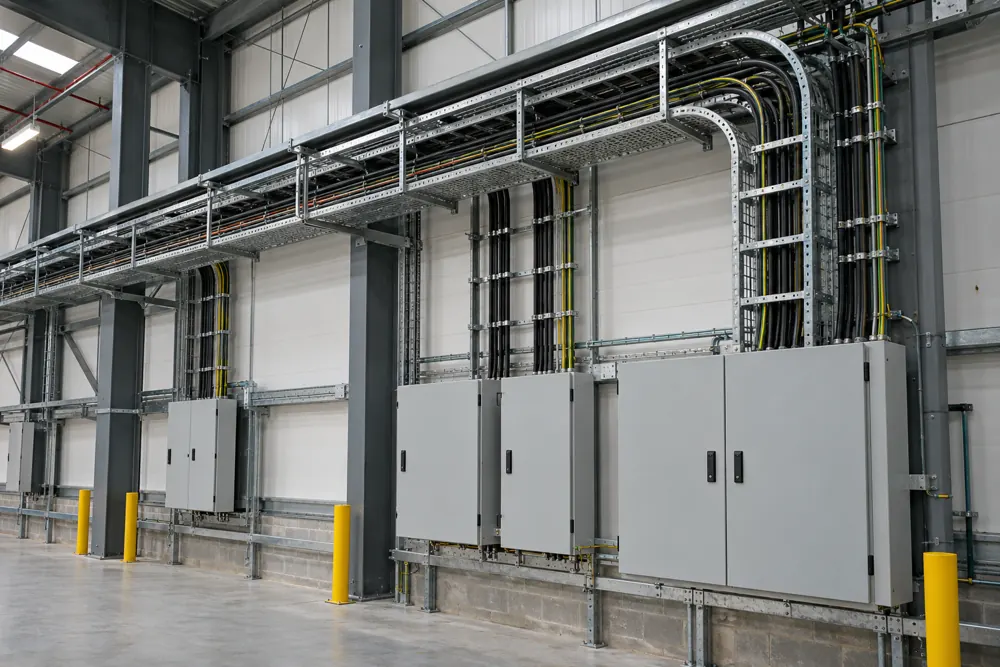
Testing The Fixed Installation
Fixed wire testing is the everyday term used for inspecting and testing the permanent electrical installation in a building. The activity normally results in an Electrical Installation Condition Report. This page focuses on preparing the site and agreeing the testing programme, while our commercial EICR page explains the report and its findings.
The installation might include several distribution boards, submains and final circuits serving different departments. A useful quotation needs more than a building name and approximate size. Send circuit schedules and previous records where available so the testing boundary can be understood before the work is planned.
For Edinburgh workplaces, fixed wire testing should be coordinated with the people who use and maintain the premises. A single point of contact helps arrange access, communicate outages and locate equipment. Without that coordination, an apparently simple visit can leave important circuits inaccessible.
Agreeing Extent And Limitations
The extent defines which parts of the installation are included. Limitations record where access or other constraints restrict the assessment. These must be clear enough that the person relying on the report understands what has been inspected and what remains outside its scope.
Discuss locked cupboards, ceiling access, shared plant rooms and tenant-controlled areas before the visit. Identify equipment that needs a specialist shutdown or restart. An agreement to leave an area untested should be visible in the report, rather than disappear behind a general statement that the building has been tested.
Sampling and access arrangements need professional judgement for the installation concerned. Do not assume that a quick check of the main board represents every circuit. If a landlord, insurer or tender specification defines the scope, provide that document at the quotation stage.
What Happens During Testing
The work combines inspection with appropriate tests of the installation. Depending on the circuit and agreed scope, these may include continuity, insulation resistance, polarity and verification of protective measures. Test selection and safe methods belong to the competent person carrying out the assessment.
Some activities require circuits to be isolated. Sensitive equipment may need to be disconnected or protected under an agreed arrangement. Your IT or engineering contact should confirm their own shutdown procedures before the electrician begins testing affected circuits.
A test result has to be interpreted alongside the installation details and observed condition. A set of numbers without circuit identification and inspection findings is not an adequate substitute for a condition report. Ask for records that your maintenance team can relate to actual boards and areas.
A Practical Testing Programme
Begin with a records review and a discussion of site operations. Identify the boards, the approximate circuit count and the areas served. Where records are poor, allow time to establish a workable circuit schedule rather than treating every label as accurate.
Agree the testing sequence, access contacts and outage windows. Communicate with building users before the visit and establish who can approve changes to the sequence. For several tenants, this planning needs to include both shared services and the separate occupied units.
At the end of testing, review the report with the responsible person. Separate urgent observations from items needing further investigation and planned improvements. Keep the report, test schedules and later remedial certificates together in your electrical maintenance records.
Safety Duties And Technical Standards
The Electricity at Work Regulations 1989 apply to electrical systems at work. BS 7671 gives the technical framework used for the fixed installation assessment. The report should state the basis of the inspection and the limitations affecting its conclusions.
Older equipment does not automatically need replacement just because a newer standard exists. The assessment concerns safety and the actual installation condition. Ask the inspector to explain observations in practical terms so procurement decisions are based on findings rather than a blanket rule about age.
Fixed wire testing and PAT testing concern different things. Portable equipment needs its own maintenance approach, while emergency lighting needs checks appropriate to that system. We can discuss those needs together, but each scope and record should stay identifiable.
What Changes The Quotation
Circuit numbers, board locations, installation complexity and access restrictions affect the work. Out-of-hours testing, staged shutdowns and return visits should be specified in the proposal. A low headline price is difficult to compare if the included extent is unclear.
Provide your previous report and explain any unresolved observations. Note building alterations since the last inspection and whether circuit schedules have been updated. This helps identify where further survey work may be needed before a firm programme can be agreed.
Questions Before You Book
Straight answers to help you plan the next step.
Will Fixed Wire Testing Interrupt Our Electricity Supply?
Fixed wire testing can interrupt electricity supplies because parts of the inspection and testing need safe isolation. The affected circuits and outage windows should be agreed before the visit. Tell us about sensitive equipment and operating hours so the proposed programme can account for controlled shutdowns, access and the people needed for restart.
What Should We Send For A Fixed Wire Testing Quote?
A fixed wire testing quote is easier to define when you provide previous reports, board schedules, premises use and access restrictions. Include any requirement from your landlord or insurer and explain which areas you control. If those records are unavailable, say so early so a preliminary survey can be considered when scoping the work.